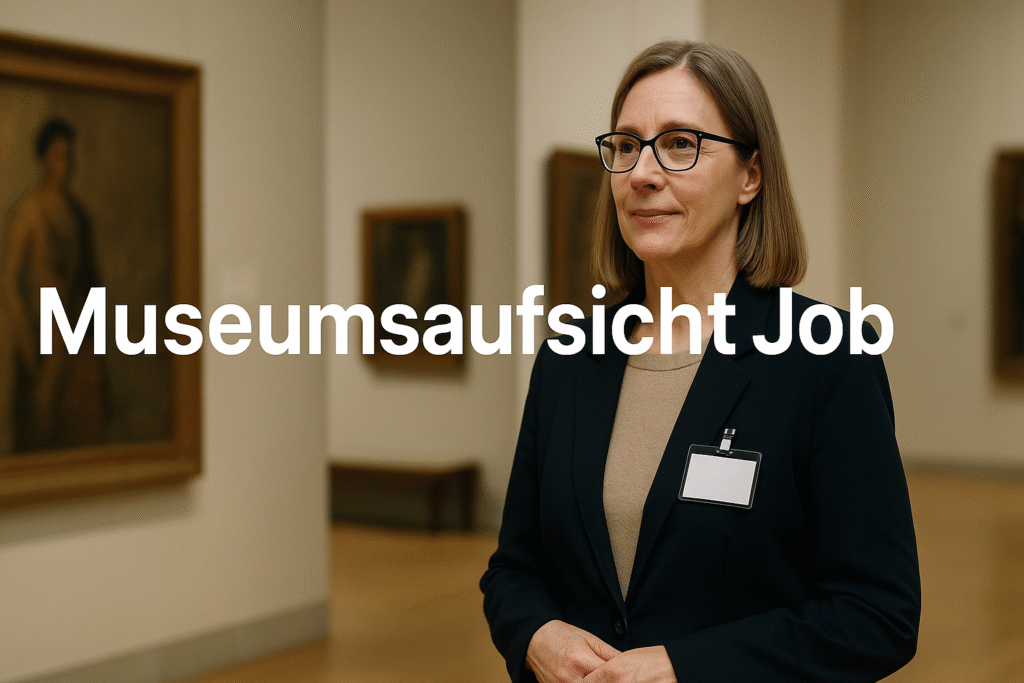

The museumsaufsicht job is one of the most essential yet often overlooked roles in the museum world. While visitors may recognize security guards or curators, the Museumsaufsicht is the person who quietly ensures that every guest experiences a safe, respectful, and enriching visit. This role blends customer service, cultural education, safety awareness, and museum operations into one meaningful career path. For many, it becomes not only a job but a gateway into the broader cultural and heritage sector.
In this comprehensive guide, we explore what the museumsaufsicht job involves, the skills required, working conditions, opportunities for career growth, and why this profession is more relevant than ever in today’s expanding museum landscape.
Understanding the Museumsaufsicht Job
A museumsaufsicht job usually refers to the position commonly known as a Museum Attendant or Gallery Supervisor. However, the responsibilities go far beyond simply standing near exhibits. The role is crucial in maintaining a museum’s order, protecting priceless artworks or artifacts, guiding visitors, and ensuring the environment remains welcoming.
Museums are spaces of learning and inspiration, which rely heavily on staff who understand the importance of both cultural preservation and public engagement. This is where Museumsaufsichten play a vital role. They act as the front line of communication between the institution and its guests.
Why the Museumsaufsicht Job Matters
While the public primarily sees museum attendants as silent watchers of exhibitions, their function is fundamental to the museum’s integrity. Many of the world’s most prestigious cultural institutions rely on these professionals to safeguard collections worth millions. Without them, museums would struggle to offer safe, respectful access to cultural history.
Moreover, as more museums modernize with interactive exhibits, digital installations, and large-scale events, the role of Museumsaufsichten becomes more dynamic. They assist with crowd flow, guide visitors through interactive experiences, and ensure that technology-based installations are used appropriately.
The museumsaufsicht job is not merely a security role—it’s a blend of hospitality, education, and stewardship.
Daily Responsibilities in a Museumsaufsicht Job
While duties vary depending on the museum, collection type, and size of the institution, most Museumsaufsichten share several core responsibilities.
Supervising Galleries and Exhibition Spaces
The primary duty is monitoring exhibition halls to ensure that visitors respect museum rules. This includes preventing damage to artifacts, reminding guests not to touch displays, and making sure items remain safe.
Providing Information and Assistance to Visitors
Many Museumsaufsichten answer questions about exhibit locations, available amenities, opening hours, or upcoming events. With friendly communication skills, they contribute to a positive visitor experience.
Ensuring Safety and Emergency Preparedness
In many museums, the Museumsaufsicht is trained to respond to emergencies—fire alarms, medical incidents, or technical malfunctions. Their vigilance can prevent serious issues from escalating.
Supporting Museum Operations
Some institutions require their gallery supervisors to help with ticket control, group coordination, or queue management during major exhibitions or evening events.
Reporting Issues
Any unusual behavior, malfunctioning lights, damaged display cases, or suspicious activity must be documented and reported. Museums rely on timely communication from their attendants.
Skills Needed for a Successful Museumsaufsicht Job
The museumsaufsicht job is suited for individuals who enjoy interacting with people, value cultural heritage, and are comfortable maintaining order. The job does not always require a university degree, but specific skills significantly improve performance.
Strong Communication Skills
Museums attract people from around the world. Being able to speak clearly, politely, and sometimes in multiple languages is a major advantage.
Patience and Attentiveness
Gallery attendants must stay alert for extended periods. Patience is essential, especially during busy days or when supervising school groups.
Conflict Resolution
Disagreements or misunderstandings can occur. A good Museumsaufsicht handles these situations calmly and professionally.
Cultural Appreciation
The job becomes more fulfilling when the attendant understands and appreciates the art or history displayed.
Physical Stamina
Many Museumsaufsichten spend several hours standing or walking. Physical endurance plays a role in job success.
Working Conditions and Environment
The museumsaufsicht job typically offers a calm, structured work environment compared to high-pressure or fast-paced sectors. However, the job also requires responsibility and awareness.
Indoor Work
Most of the work occurs indoors, often in climate-controlled galleries. This makes the job attractive to individuals seeking a stable and comfortable working environment.
Fixed or Rotating Shifts
Depending on the museum, attendants may work in rotating shifts, including weekends and special event evenings.
Interaction with People
Museums attract diverse visitors—tourists, students, researchers, and families—offering rich human interaction.
Professional Atmosphere
Working in a museum setting often means being part of a culturally rich community with opportunities to attend exhibitions, workshops, and public programs.
Who Should Consider a Museumsaufsicht Job?
This role is perfect for individuals who:
-
enjoy working in a peaceful cultural environment
-
value history, art, science, or cultural education
-
prefer structured routines
-
enjoy interacting with visitors
-
are patient and observant
-
want a stable, respected role with opportunities for advancement
Many retirees, students, part-time workers, and art lovers find this job especially appealing.
Salary Range and Working Benefits
Salaries for a museumsaufsicht job vary widely depending on location, museum size, and whether the role is full-time, part-time, or contract-based. In general:
-
Larger institutions in major cities offer higher pay
-
Specialized museums may pay more due to the sensitivity of their collections
-
Additional benefits may include training programs, paid leave, and free admission to partner museums
Many museums provide ongoing professional development, making the role not just a job but a path toward a larger career.
Career Growth and Future Opportunities
The Museumsaufsicht role is often a stepping stone to various cultural careers. With dedication and training, one can move into:
-
Visitor services management
-
Museum education and outreach
-
Exhibition coordination
-
Collections assistance
-
Security management
-
Front-of-house leadership
For those who aspire to work long-term in the cultural sector, the museumsaufsicht job provides valuable exposure, training, and practical experience.
How to Apply for a Museumsaufsicht Job
To apply, candidates typically need:
-
A well-written CV
-
Strong communication skills
-
Basic safety or emergency training (sometimes provided by the employer)
-
A professional, friendly attitude
Museums often hire through their official websites, cultural job portals, and staffing agencies specializing in event or visitor services.
Including relevant experience such as hospitality, customer service, or event supervision can increase the chances of being selected.
Conclusion
A museumsaufsicht job is far more meaningful than many people realize. It represents a unique opportunity to work within cultural spaces where history, art, and education intersect. Whether you are starting your career, seeking a stable job environment, or looking to immerse yourself in the world of museums, this profession offers a rewarding path filled with learning, interaction, and purpose. Beyond protecting exhibits, Museumsaufsichten help create memorable experiences for every visitor who steps through the museum doors.