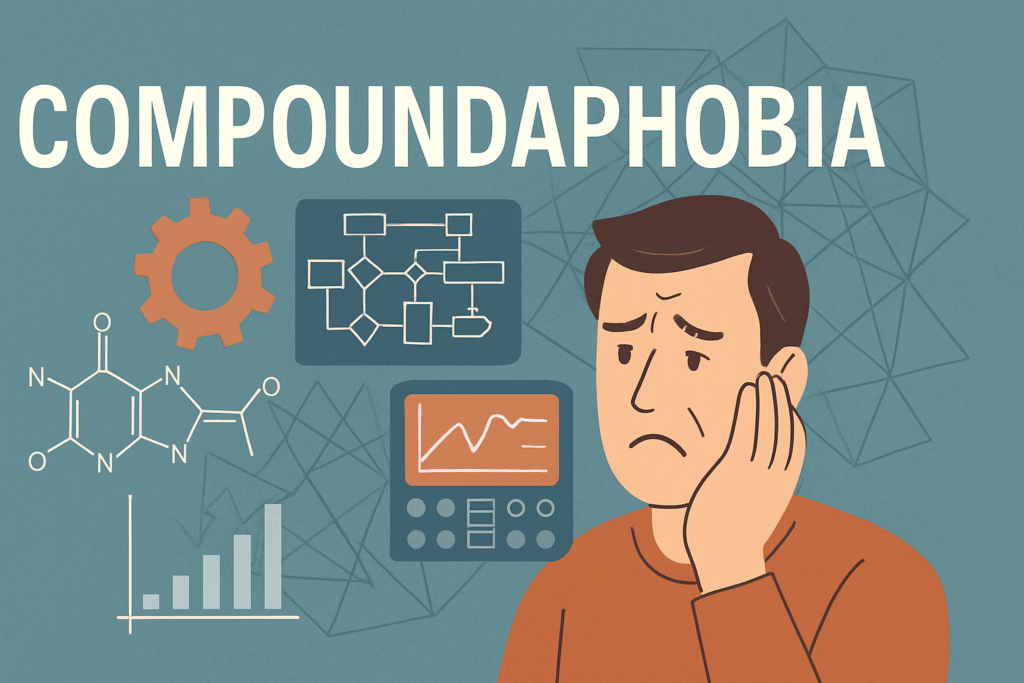

Compoundaphobia is a term that has surfaced in modern discussions around unusual fears and psychological responses related to complexity. While the term itself is not yet widely recognized in academic or clinical fields, it has gained attention due to growing interest in understanding how people react to overwhelming structures, multi-layered environments, or compound systems. Compoundaphobia essentially refers to the fear or anxiety triggered by things that are made up of multiple interconnected components. These components could be visual, conceptual, mechanical, or informational.
Many people encounter moments when complexity feels overwhelming. However, compoundaphobia describes a more intense and persistent reaction. The fear can range from discomfort to a significant sense of panic when interacting with or observing heavily layered structures. In a world that is rapidly increasing in complexity, understanding compoundaphobia becomes important for both personal well-being and societal awareness.
What compoundaphobia Represents
Compoundaphobia is derived from two parts: “compound,” meaning made up of multiple parts, and “phobia,” meaning fear. Together, they form a term used to describe fear related to complexity or intricate formations. This could involve anything with layers, steps, or interconnected elements that appear difficult to process at a glance.
Unlike general dislike or confusion toward complexity, compoundaphobia tends to involve emotional and physical responses that feel beyond one’s control. People with this fear may feel overwhelmed when faced with detailed maps, multi-part machines, complicated scientific diagrams, or even crowded visual scenes where many elements compete for attention. The fear is not always logical; it is a triggered response that affects perception and comfort.
Possible Causes of compoundaphobia
Understanding the causes of compoundaphobia requires a look into general phobia formation. Phobias often develop through a combination of learned behavior, biological sensitivity, personal experience, and environmental influences. Though compoundaphobia is not officially categorized within medical literature, its likely origins resemble those of other anxiety-based conditions.
One potential cause is early exposure to overwhelming complexity. A child who repeatedly felt stressed or confused when faced with detailed tasks may develop long-term associations between complexity and fear. Over time, this can harden into a phobic response.
Another possible factor is cognitive overload. Some individuals have heightened sensitivity to large amounts of sensory or informational input. When they encounter compound structures, their minds may struggle to filter and organize the details, leading to immediate stress or panic.
Learned behavior can also play a role. If someone grows up in an environment where complexity is portrayed as intimidating or dangerous, they may internalize these beliefs. They may come to associate compound objects with failure, fear, or negative outcomes.
Traumatic experiences involving complex machinery, technical tasks, or chaotic environments can also lead to the development of compoundaphobia. The mind forms a protective association, warning the person to avoid similar scenarios in the future.
Symptoms Connected to compoundaphobia
Compoundaphobia manifests in a variety of physical, emotional, and cognitive symptoms. Symptoms differ from person to person depending on the severity of the fear and the context in which it appears.
Emotionally, individuals may feel sudden anxiety, dread, or uneasiness when exposed to compound structures. This feeling may arise even before any conscious thought takes place. A sense of being overwhelmed or mentally trapped is common.
Cognitively, people may experience difficulty focusing, racing thoughts, or an inability to break down complex information. They may feel incapable of understanding what they see, even if the task itself is manageable. The fear becomes self-reinforcing, as the mind interprets confusion as evidence of danger.
Physical symptoms include rapid heartbeat, sweating, trembling, dry mouth, nausea, or dizziness. In more severe cases, individuals may experience shortness of breath or full panic attacks. These reactions are part of the body’s natural fight-or-flight response to perceived threats.
Even though compound structures pose no real danger, the mind reacts as if they do. This disconnect between reality and perception is what makes phobias difficult to manage without proper support or strategy.
Common Triggers of compoundaphobia
Compoundaphobia can be triggered by a wide range of situations. For some people, triggers reside in highly technical environments, such as control rooms, mechanical workshops, or laboratories. The presence of multiple buttons, wires, or interconnected systems can be overwhelming.
Others may feel triggered by densely packed visual content such as complex posters, diagrams, architectural layouts, or heavily layered artwork. Even digital interfaces, dashboards, and device screens with numerous icons can provoke fear.
Everyday life also contains many triggers. Multi-step instructions, furniture assembly guides, complicated recipes, and crowded shopping aisles filled with diverse products can all provoke symptoms.
Because complexity is nearly unavoidable in modern society, individuals with compoundaphobia may find themselves frequently exposed to triggers without intending to be. This constant exposure can heighten stress levels if the fear is not understood or managed early.
Impact of compoundaphobia on Daily Life
Compoundaphobia can affect daily living in several subtle but significant ways. Individuals may avoid tasks that involve layered processes or detailed planning. This avoidance can lead to unfinished work, procrastination, or dependency on others to handle complex responsibilities.
In professional settings, compoundaphobia may hinder career growth. Jobs that require working with data, machinery, multi-step operations, or complex documents may feel impossible, limiting employment choices. Even simple office tasks like organizing files or managing overlapping schedules can become overwhelming.
Socially, people may feel embarrassed about their fear, especially since compoundaphobia is not widely recognized. They may hide their struggles rather than discuss them, leading to isolation or misunderstanding. The internal conflict between wanting to appear capable and feeling threatened by complexity can impact self-confidence.
Emotionally, the repeated experience of stress in everyday scenarios can lead to exhaustion, frustration, or hopelessness. If untreated, the phobia can gradually restrict independence and reduce one’s quality of life.
Ways to Manage and Reduce compoundaphobia
Although compoundaphobia is not formally recognized in psychiatric diagnostic manuals, effective strategies used to treat other phobias can still be applied. One of the most helpful methods is gradual exposure. This approach involves slowly and safely introducing oneself to increasingly complex structures. Starting with mild complexity and working upward allows the mind to adapt without triggering panic.
Another useful method is cognitive reframing. This involves changing the way complexity is perceived. For example, instead of viewing compound structures as threatening, individuals can practice breaking them into smaller, manageable parts. Over time, this reframing reduces the fear response and promotes confidence.
Mindfulness and relaxation practices can also help. Deep breathing, grounding exercises, and meditation calm the nervous system, making it easier to face challenging situations. These techniques can be applied both during moments of panic and in preparation for future exposure.
Professional therapy, such as cognitive behavioral therapy, can provide deeper support. Therapists can help individuals identify negative thinking patterns associated with compoundaphobia and replace them with healthier interpretations. Even though the phobia is not officially listed, therapists can adapt proven methods to address it effectively.
Long-Term Outlook for compoundaphobia
With time, patience, and proper strategies, many people can significantly reduce their symptoms. Some even fully overcome their fear. The key is consistency. Overcoming compoundaphobia does not require eliminating complexity from life. Instead, it requires building comfort and confidence gradually.
As the world becomes increasingly complex, managing compoundaphobia becomes even more important. Learning to navigate complexity without panic empowers individuals to engage more fully with modern environments, careers, and technologies.
Final Thoughts on compoundaphobia
Compoundaphobia is a modern phobia shaped by the growing complexity of environments, information, and technology. While not officially recognized in psychology, the emotional experiences associated with it are very real. People who struggle with compoundaphobia face difficulties that can impact daily life, career paths, and emotional well-being.
Understanding the meaning, symptoms, causes, and potential solutions for compoundaphobia offers clarity and hope for those who experience it. With awareness and structured approaches, individuals can gradually reduce their fear and regain control over their interactions with the world’s increasingly layered systems.